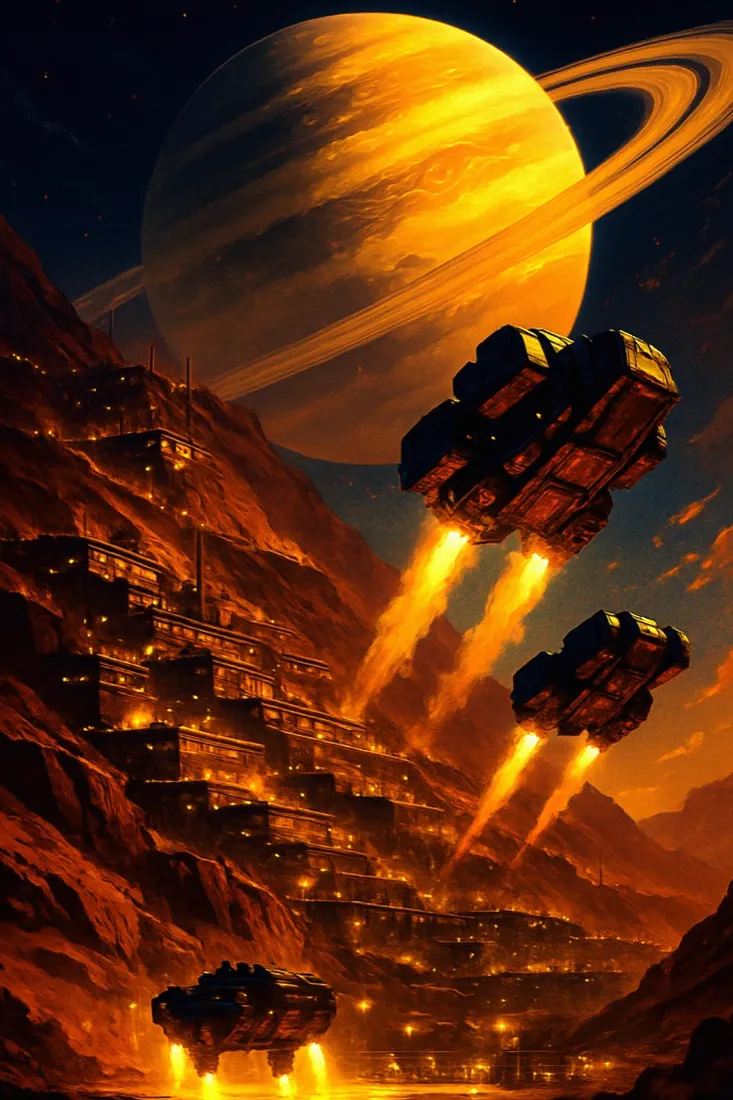
Astro Empires opens with a map, and that map is the reason to play. Each star is a solar system, and each system holds astros, the game's word for planets, moons and other bodies in orbit. Most astros can host a single base, and every one of them has its own terrain, construction area, solar energy, fertility and resources. Where you build matters, and you can see exactly why.
That gives the early game a scouting flavour that other empire builders lack. We spent our first sessions comparing nearby astros like house listings, weighing a sunny moon with good solar output against a rocky planet rich in metal. The shared map turns those choices into neighbourhood politics within days, because the base next door belongs to a real person who is weighing you up just as carefully.
Astros, terrain and the art of a good base
Every astro carries metal, gas and crystal values that shape how productive a base can become. Metal feeds construction. Gas and solar levels decide how much energy you squeeze out of power plants, while crystals boost your economy. Construction area, energy and population all get used up as you build, so each base has a natural ceiling you learn to plan around.
Energy comes from solar plants, gas plants and fusion plants, with antimatter plants as a powerful later option. Fertility drives how much population urban structures provide. Put together, this makes base planning a satisfying puzzle. We rebuilt our first base plan twice after realizing we had misjudged its energy, and both times the game made the reason obvious rather than hiding it.
Trade routes and the slow pull of income
Credits are the lifeblood of an Astro Empires economy, and trade routes with other players are one of the best ways to raise them. Spaceports unlock routes as they level up and also add a little economy to the base themselves. Setting up a route means finding a willing partner, which quietly pushes you into conversation with other players early.
We liked how this nudges cooperation without forcing it. Our best route came from a short exchange with a neighbour who was also new, and that contact later warned us about a guild massing ships nearby. Income in Astro Empires grows steadily rather than explosively, and the routes give that growth a human face.
Fleets, guilds and shared borders
The shipyard climbs from cruisers and heavy cruisers through outpost ships, which let you plant new bases, up to the heavy hulls players talk about in hushed tones: leviathans, titans and deathstars. Fleets move across the map in real time, and choosing which hulls to build, and when, becomes the central military question of every season.
Guilds are the centre of the social game. They coordinate wars, defend members and draw informal borders on the map. A guild war in Astro Empires feels like a campaign rather than a skirmish, with members across time zones covering each other's bases. Our guild was welcoming but serious about activity, which is fair in a game where an absent neighbour becomes an easy target.
New servers and the upgraded account
Astro Empires keeps opening new servers so latecomers can start on equal footing; the operator announced a fresh server called Cosmos in September 2026. That matters for a game this old, because jumping into a mature server means starting beside empires that have been growing for years. A new server levels the field and gives guilds a new map to argue over.
An upgraded account adds features and conveniences, and some of the most useful quality-of-life tools sit behind it. Free play remains entirely viable, but the gap is noticeable in management comfort. The interface is functional and text-heavy, with a phone-friendly web view for checking in away from the desk. The operator has also added an AI assistant to help with questions, which newcomers may find handy.
Astro Empires: launch week
- Compare several nearby astros before settling, weighing solar, gas and metal values against your intended build.
- Build energy first, then mines, so your construction never stalls for lack of power.
- Raise a spaceport early and look for a trade route partner among the newer players around you.
- Join a guild within the first few days and ask about safe expansion directions on the map.
- Save toward outpost ships so your second base goes down before your neighbours claim the best astros.
What we love
- A real shared map where terrain and location make every base decision meaningful.
- Trade routes encourage friendly contact with other players from the opening days.
- Guild wars feel like long campaigns, with genuine borders and diplomacy.
- Regular new servers give newcomers a level starting line.
What grates
- The interface is plain and dense, with lots of reading and few visual cues.
- Upgraded accounts hold several of the most convenient management tools.
- Joining an older server means living beside empires years ahead of you.
The pilot Astro Empires wants
Astro Empires suits players who think in territory: who owns that moon, which system is safe, where the guild border should run. If you like building economies but want them anchored to a map you share with real neighbours, it delivers that feeling better than anything else here.
Astro Empires, docked
Astro Empires earns its place through geography. Astros with real characteristics, bases you place by hand and guild borders on a shared map make the galaxy feel owned rather than abstract. The interface is old and the upgraded account carries real conveniences, but a fresh server and a good guild turn it into an engrossing, months-long campaign. A worthy third.